

A gel air freshener may appear stable during initial sampling, but its condition can change during storage or exposure to different temperatures. Depending on the formulation, water-based and oil-based gels may experience issues such as separation, water or oil release, uneven coloration, discoloration, or changes in fragrance performance. These issues can affect both product appearance and the consumer experience.
Before mass production, testing helps evaluate whether the gel formula, fragrance, and container remain stable under defined conditions. These checks help identify potential problems before the final product is approved for production.
Gel Formula and Temperature Stability Testing
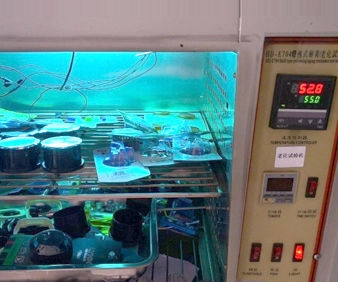
Gel stability testing evaluates whether an air freshener can maintain its appearance and structure under different storage temperatures. For a broader explanation of temperature-related risks, see our guide to high-temperature testing for car air fresheners.
Water-based gels are checked for water release, separation, gel shrinkage or detachment from the container, cloudiness, and color changes. Low-temperature testing conditions depend on the formulation, particularly whether antifreeze ingredients are included.
Oil-based gels are examined for oil release, separation, cloudiness, and changes in color or fragrance. Temperature exposure may also reveal compatibility issues between the gel formulation and the container materials.
These observations are recorded at different intervals to identify changes that may not appear immediately. If instability is detected, adjustments to the gel formulation, fragrance, or container may be required before the final product is approved for mass production.
Fragrance Performance and Weight-Loss Testing
Fragrance performance testing evaluates how strongly a gel air freshener releases its scent under controlled conditions. During development, samples are placed in a designated testing space, where fragrance intensity and scent preference are evaluated. Temperature, humidity, and airflow are kept consistent to make the results comparable.
Weight-loss testing helps track how the gel changes during use. Samples are placed under defined temperature and humidity conditions, with their weight recorded at regular intervals. For gel air fresheners designed for use with airflow, the testing conditions may be adjusted accordingly. The collected data is used to evaluate weight-loss trends over time.
However, weight loss alone does not determine fragrance longevity. For water-based gels, moisture evaporation can also contribute to weight reduction. A product may continue losing weight even when its fragrance becomes less noticeable. By combining weight-loss measurements with periodic scent evaluations, manufacturers can better understand fragrance performance over the intended usage period.
UV and Packaging Compatibility Testing
UV stability testing helps identify potential changes in gel appearance and fragrance. During testing, fully packaged samples are exposed to UV light and compared with samples kept under normal room conditions. Changes in color, fragrance, or gel separation are observed and recorded.
Packaging compatibility is also important, particularly for oil-based gels. Fragrance formulations may react with certain plastic or plated components, causing material deterioration or visible changes. These components are tested under defined conditions to identify potential compatibility issues before production.
Labels and adhesive materials are also checked for fading, yellowing, bubbling, or peeling. Together, these tests help verify that the selected gel formulation, container, and packaging materials can maintain their expected appearance and functionality.
Product Function and Production Consistency Checks
Once the gel formula and container design are confirmed, the finished product also needs to be checked for practical use and production consistency. For containers with adjustable lids, testing focuses on smooth rotation, secure assembly, and whether the fragrance opening can be adjusted as intended. Depending on the packaging design, peel-off foil seals or pull-tab lids are also checked for easy and clean opening.
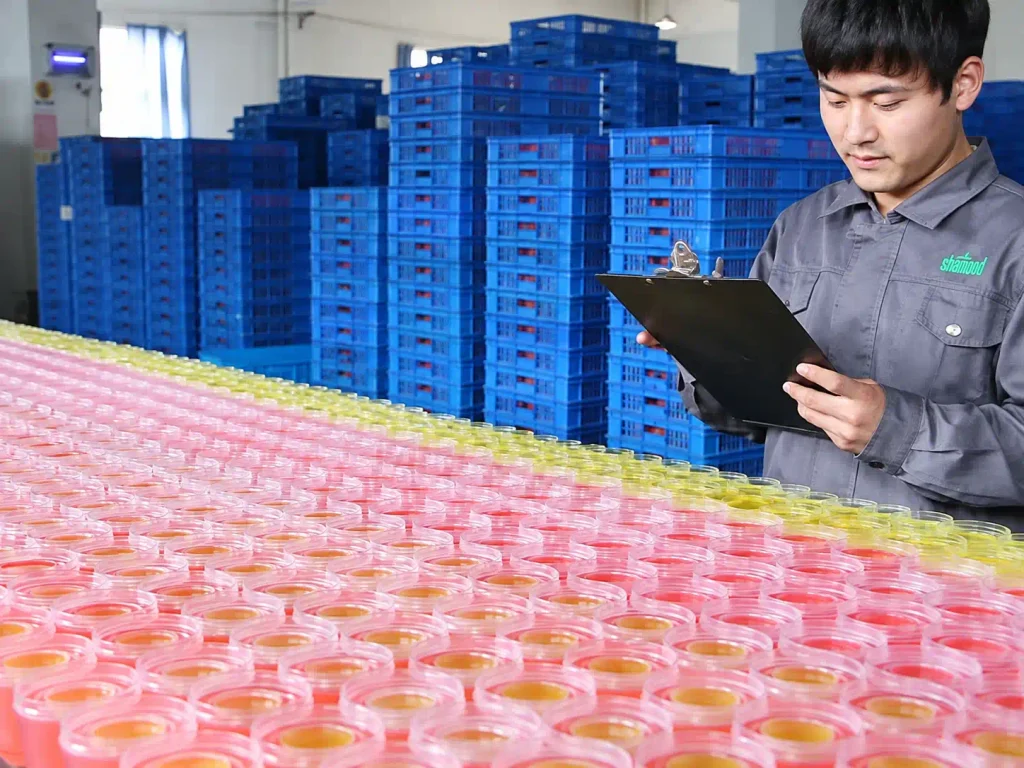
During bulk production, samples are inspected to confirm that the filling weight or volume meets the specified requirements. Packaging drop tests may also be conducted to check for product damage during handling and transportation.
As part of air freshener testing before mass production, these checks help ensure that the approved gel formulation is delivered in a functional container, with consistent filling and packaging throughout production.
What Buyers Should Confirm Before Mass Production
Before approving a gel air freshener for mass production, buyers should confirm the final gel formulation, fragrance, container design, and intended storage and use conditions. The samples evaluated during development should match the approved product as closely as possible, particularly in gel volume and exposed fragrance area.
Testing results should be reviewed for gel stability, scent performance, and packaging compatibility. For products with adjustable lids or removable seals, opening and adjustment functions should also be confirmed. Any significant changes to the fragrance, formula, or container may require additional evaluation.
These confirmations provide a reference for production quality checks and help ensure that the finished custom gel air fresheners remain consistent with the approved samples.

