Odor Control & Deodorizing Solutions for Custom Air Fresheners

Shamood develops custom air fresheners with deodorizing actives, fragrance and compatible carrier systems for functional odor control beyond simple fragrance masking.

Odor Control Is More Than Fragrance Masking

Functional odor control uses deodorizing actives within the formulation to reduce or neutralize unwanted odors, rather than simply covering them with fragrance.

Fragrance Masking

Changes the perceived smell

Fragrance can help make a space smell more pleasant, but it does not directly create a deodorizing function within the product.

Functional Deodorizing

Adds an odor-control function

Deodorizing actives are built into the formulation to help reduce or neutralize unwanted odors while working together with the fragrance and product base.

A Deodorizing Product Works as a System

01

Deodorizing Active

Selected according to the target odor and intended performance.

02

Fragrance

Supports the desired scent profile without interfering with the deodorizing system.

03

Product Carrier

The gel, liquid or other base that must keep both the active and fragrance stable and usable.

The right combination depends on the odor target, product format and intended use conditions.

Match the Deodorizing System to the Product Format

The deodorizing active and fragrance system must be adapted to the product base, release method and intended use.
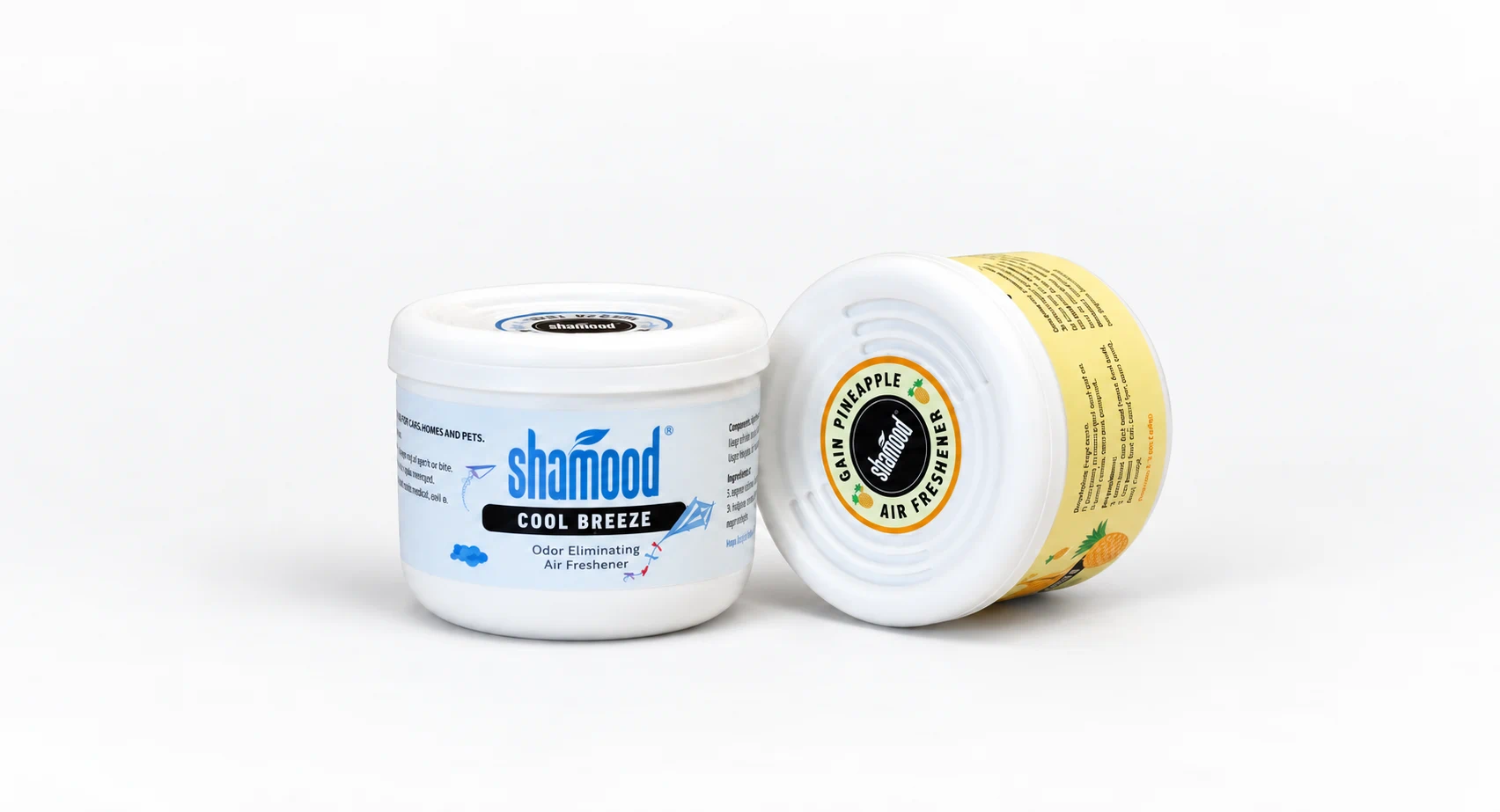
Deodorizing gel air fresheners
Primary Format

Gel Air Fresheners

Suitable for continuous odor-control applications

Gel products are commonly developed with added deodorizing function for rooms, vehicles and other enclosed spaces. The active system needs to work within the gel base without disrupting structure, fragrance release or product stability.
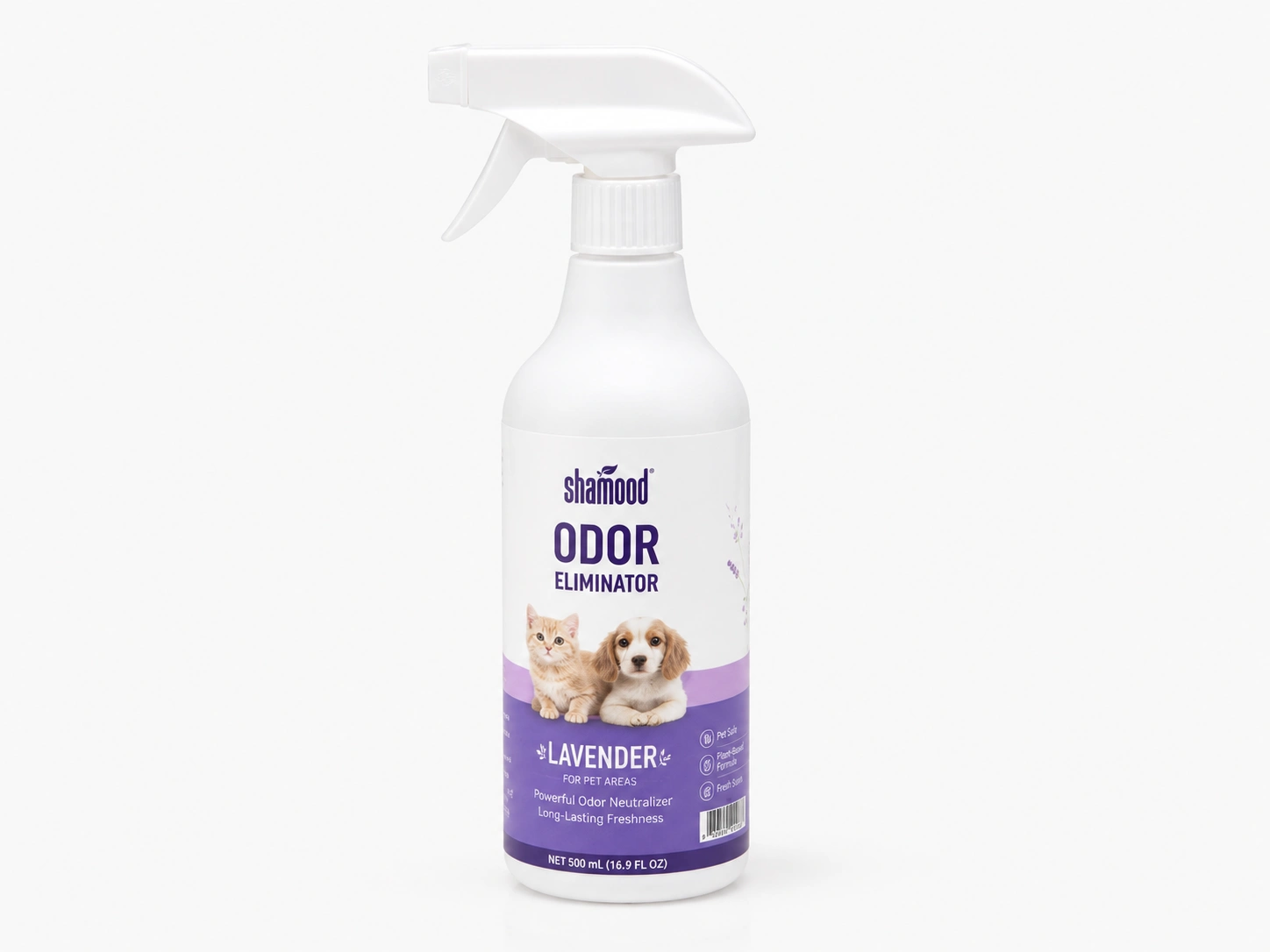
Deodorizing spray air freshener
Targeted Application

Deodorizing Sprays

Suitable for direct and targeted odor treatment

Spray formats allow the deodorizing formulation to be applied directly where odor control is needed. Development needs to balance active performance, fragrance, sprayability and formula stability.

Other air freshener formats can also be evaluated based on the deodorizing active, carrier system and required performance. Learn more about our custom air freshener development

Formulation & Ingredient Compatibility

A deodorizing formula must keep the active, fragrance and product base compatible without compromising product structure or usability.
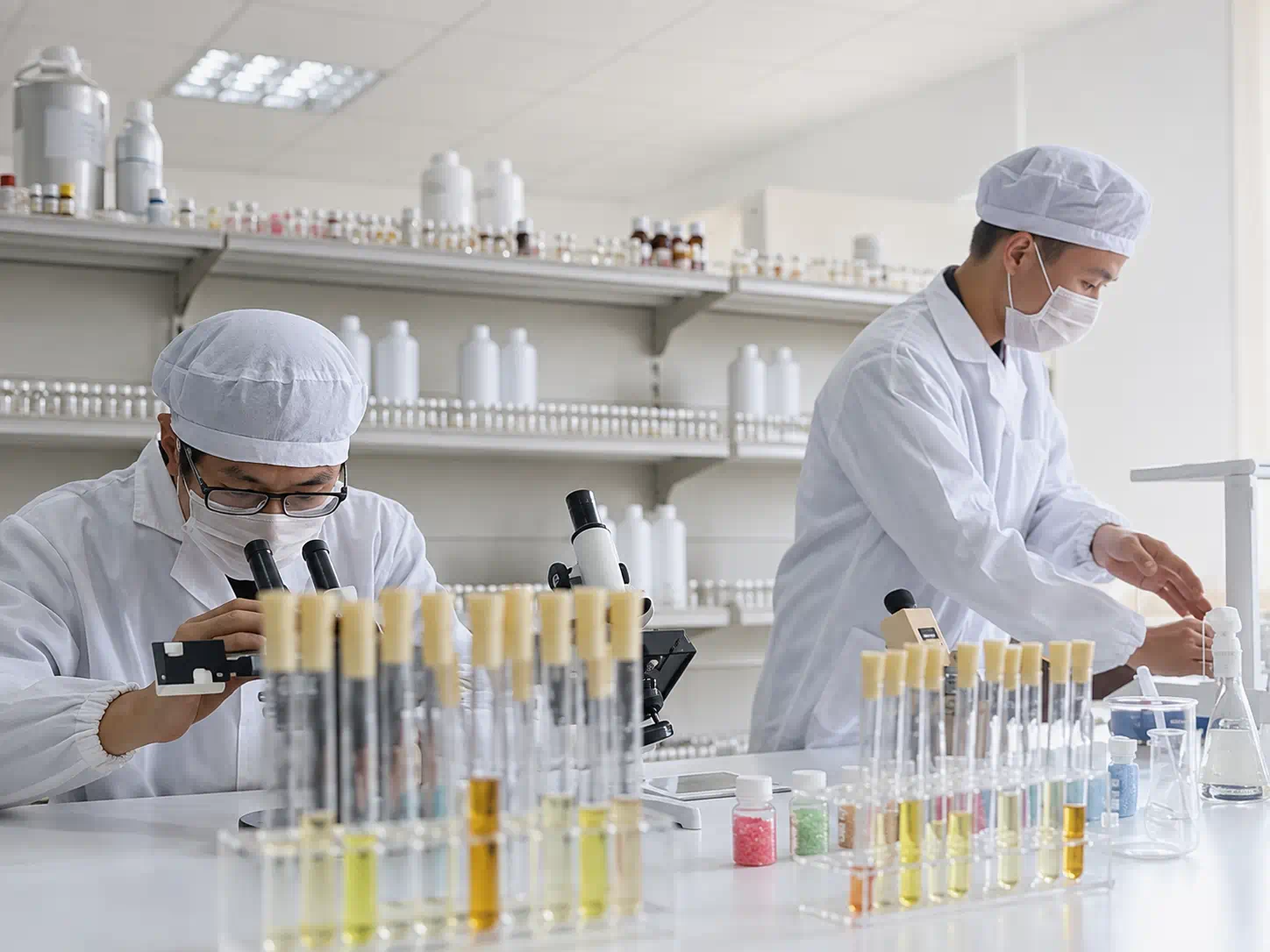
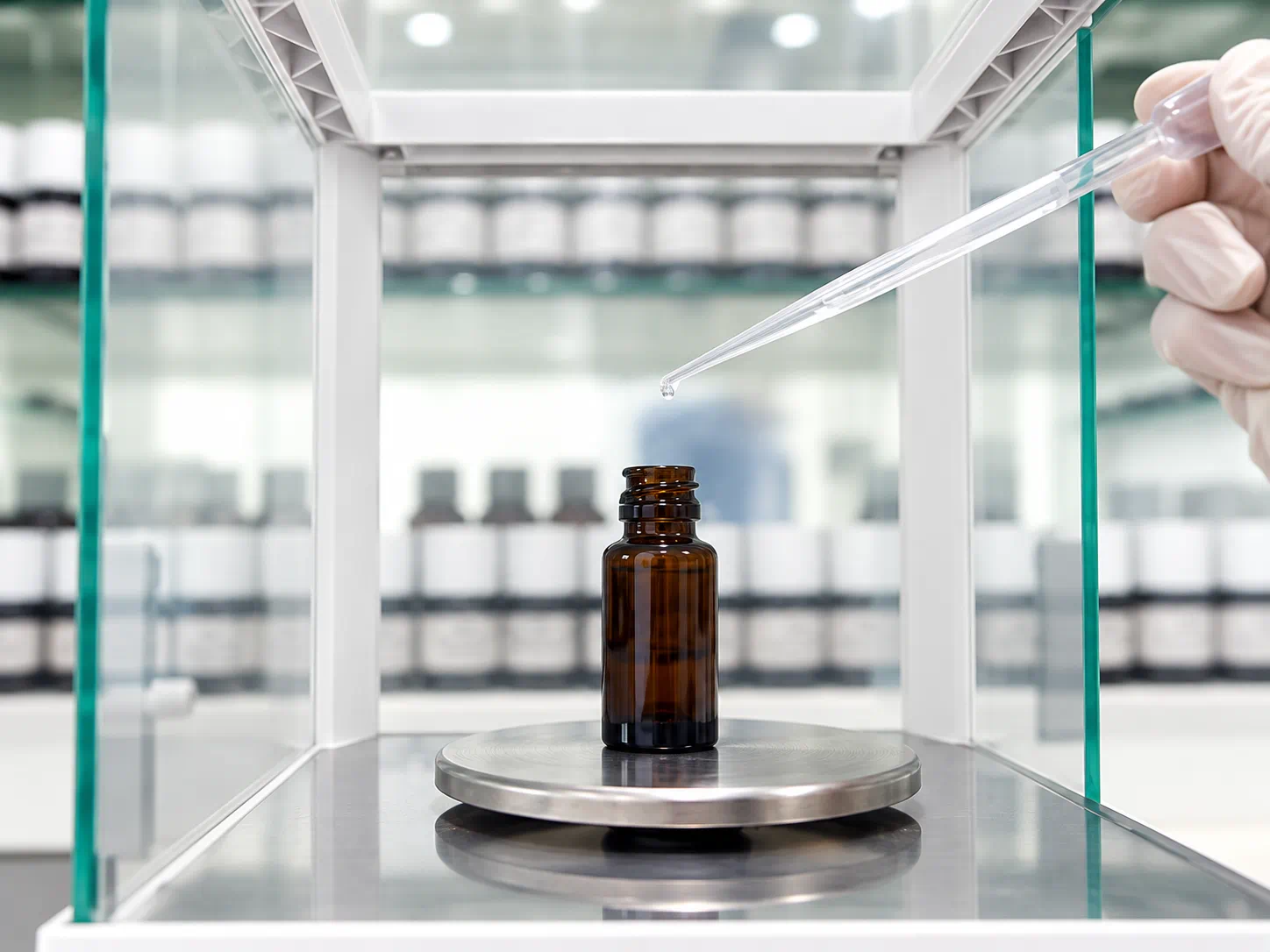
Deodorizing formulation compatibility testing with pipette and sample bottle

Active & Base Compatibility

Ensure the deodorizing active can remain properly dissolved or dispersed in the selected carrier without causing separation, precipitation or unwanted changes to the base.

Fragrance Integration

Evaluate fragrance and deodorizing actives together to maintain the intended scent profile, clarity, solubility and overall formula behavior.

Formula Structure

Maintain the physical properties required by the format, including gel strength and viscosity for gels or suitable flow and sprayability for sprays.

Dosage Balance

Balance the deodorizing active level with fragrance character, product stability and the physical behavior of the carrier.

Stability & Packaging Compatibility

The finished formula needs to remain stable through storage, temperature changes and contact with the selected packaging.
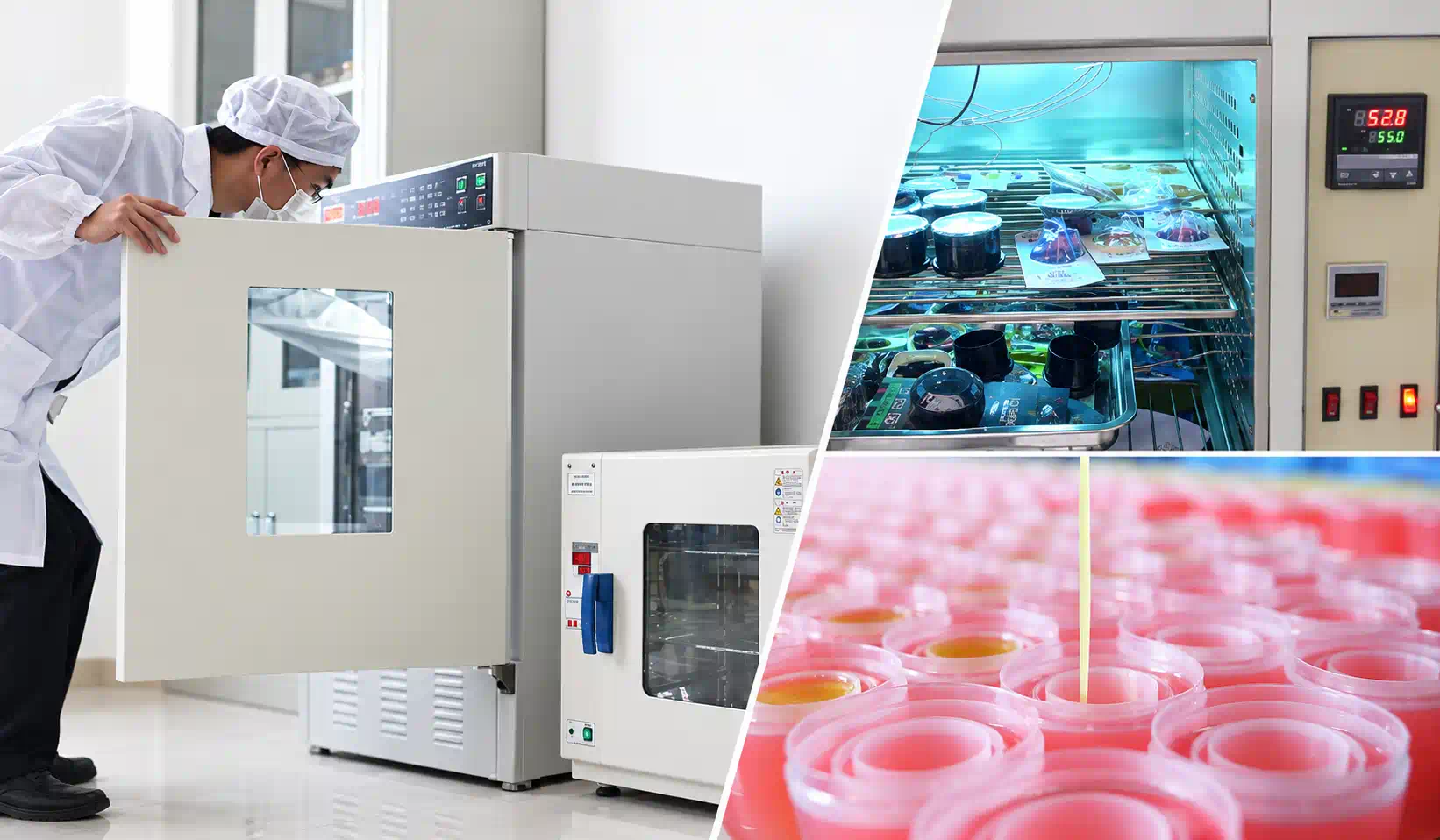
Deodorizing product stability testing with temperature chamber and gel fresheners

Stability is evaluated on the finished product, not only on the base formula.

Temperature, storage time, fragrance retention and packaging contact can all affect how the finished deodorizing product behaves before and during use.

Temperature Stability

Heat and cold conditions can affect viscosity, gel structure, separation and overall appearance.

Physical Stability Over Time

Monitor phase separation, precipitation, viscosity drift, gel shrinkage or water loss during storage.

Fragrance & Formula Retention

Check whether fragrance strength, evaporation and formula balance remain consistent during storage.

Packaging Compatibility

Evaluate the finished formula with the intended container, closure and sealing system.

Validate Deodorizing Performance

A stable formula still needs to be evaluated against the intended odor to confirm that the deodorizing function is working as expected.
ODOR TARGET

Target Odor Evaluation

Test the formulation against the intended odor under relevant application conditions.

REFERENCE CHECK

Compare Against a Reference

Use a fragrance-only or untreated reference where appropriate to separate deodorizing performance from masking.

USE PERIOD

Performance Over Time

Evaluate whether odor-control performance remains consistent during the intended period of use.

POST-STABILITY

After Stability Testing

Recheck deodorizing performance after relevant storage or stability conditions.

Laboratory evaluation of deodorizing product performance using sample testing and comparison

From Odor Target to Production-Ready Product

Each deodorizing product is developed around the target odor, product format and intended use conditions before moving into production.
01

Define the Odor Target

Identify the odor problem, application environment and expected product performance.

02

Build the Deodorizing System

Select the deodorizing active, fragrance and carrier combination for the intended format.

03

Develop the Product Prototype

Create and adjust the formulation in the selected gel, spray or other suitable format.

04

Validate Stability & Performance

Evaluate formula stability, packaging compatibility and deodorizing performance before scale-up.

05

Scale for Production

Finalize the approved formulation, packaging and production requirements for mass manufacturing.

Frequently Asked Questions

Is a deodorizing product the same as using a stronger fragrance?
No. A stronger fragrance mainly changes odor perception. Functional deodorizing products use deodorizing actives within the formulation to help reduce or neutralize unwanted odors.
Yes. Existing gel, spray or other suitable air freshener formats can be evaluated for added deodorizing function. The formulation may need to be adjusted depending on the active, fragrance and carrier system.
Gel air fresheners and sprays are common formats for deodorizing applications. Other formats can also be evaluated based on the active chemistry, release method and intended use.
Yes. Fragrance selection and deodorizing performance should be considered together because fragrance materials can affect formula compatibility, stability and the overall user experience.
Typical production MOQ is 3,000–10,000 units per fragrance, depending on the product format, formulation and packaging requirements.
Deodorizing formulations can be evaluated against the intended odor and application conditions, together with stability and packaging compatibility, before moving into mass production.
Development time depends on the deodorizing active, product format, fragrance, packaging and required validation. A more accurate timeline can be confirmed after the product requirements are reviewed.

Develop a Custom Deodorizing Air Freshener

Tell us the target odor, product format and intended application. Our team can evaluate the formulation direction and development requirements for your project.
Contact OEM Inquiry
Scroll to Top

Send an inquiry and let's start working together!

Let's have a chat

LEAVE US A MESSAGE

We can customize a plan according to your needs. Send an inquiry and let's start working together!