

Air fresheners and odor eliminators are often compared as two ways to deal with unwanted smells, but for a brand developing a new product, the decision is not simply about which one works better.
The more useful question is what the product is expected to do.
Air Freshener vs Odor Eliminator: Key Differences
Air fresheners and odor eliminators can both improve how a space smells, but they are developed around different product goals.
| Air Freshener | Odor Eliminator | |
|---|---|---|
| Primary purpose | Introduce a desired fragrance | Address unwanted odors |
| How it affects odor | Fragrance may cover or change how an odor is perceived | Uses a deodorizing system to target unwanted odors |
| Role of fragrance | Usually a main part of the product experience | May be secondary or combined with odor-control functionality |
| Typical positioning | Fragrance, scent experience, atmosphere | Deodorizing, odor control, functional freshness |
| Common product direction | Car air fresheners, hanging fragrances, vent clips and other fragrance-led products | Deodorizing sprays, gels and products developed for specific odor problems |
An important distinction is that masking an odor is not the same as controlling it. A stronger fragrance may make an unwanted smell less noticeable, but this does not necessarily mean the odor itself is being reduced.
A product can also combine both functions, using fragrance to create the desired scent experience while adding deodorizing functionality for a specific odor problem.
What Problem Is Your Product Supposed to Solve?
Before deciding whether a product needs odor-control functionality, first consider what problem consumers actually need the product to solve.
Fragrance-led products
For many car air fresheners and fragrance products, the main purpose is simply to create a pleasant scent experience.
Examples may include hanging air fresheners, vent clips, car scents or other fragrance products designed around a specific scent concept, often with the goal of creating a more comfortable living space or a more pleasant driving experience.
In this case, fragrance is the main reason consumers choose the product. Additional deodorizing functionality may not be necessary.
Odor-control-led products
Some products are developed around a clear odor problem rather than fragrance alone.
This may include products intended to deal with pet odors, food odors, smoke-related smells, stale vehicle interiors, bathroom odors or other unwanted smells in enclosed spaces.
For these products, reducing or managing unwanted odors is part of the core product function.
Fragrance + odor control
The two directions do not have to be separate.
A product can be designed to address unwanted odors while still leaving a pleasant fragrance. This approach may be suitable when consumers expect both a functional benefit and a noticeable scent experience.
The key is to decide which role comes first: fragrance, odor control, or a combination of both.
Does Your Product Actually Need Odor Control?
Adding odor-control functionality does not automatically make an air freshener a better product. It only makes sense when it solves a problem that matters to the consumer.
A useful way to evaluate this is to ask whether unwanted odors are part of the consumer’s reason for buying the product. If the main expectation is simply a pleasant fragrance, odor control may add unnecessary formulation complexity. If consumers are actively looking for help with pet odors, food smells, smoke-related odors or other persistent smells, deodorizing functionality may become an important part of the product value.
The decision can usually be viewed in this way:
| Product concept | Main consumer expectation | Likely product direction |
|---|---|---|
| Premium car fragrance | Enjoy a distinctive scent while driving | Fragrance-led |
| Hanging car air freshener | Keep the vehicle smelling pleasant | Fragrance-led |
| Lifestyle room fragrance | Create a comfortable scented environment | Fragrance-led |
| Pet deodorizing spray | Reduce unwanted pet odors | Odor control + fragrance |
| Vehicle deodorizer | Address persistent interior odors | Odor control |
| Bathroom deodorizer | Reduce unpleasant odors while keeping the space fresh | Odor control + fragrance |
The key question is not whether odor control sounds like an additional benefit, but whether it supports the product’s actual positioning and the problem consumers expect it to solve.
What Changes When You Add Odor-Control Funtionality?
Adding odor-control functionality affects more than how the product is positioned. It can also affect the formula, product format and fragrance performance.
Formulation compatibility
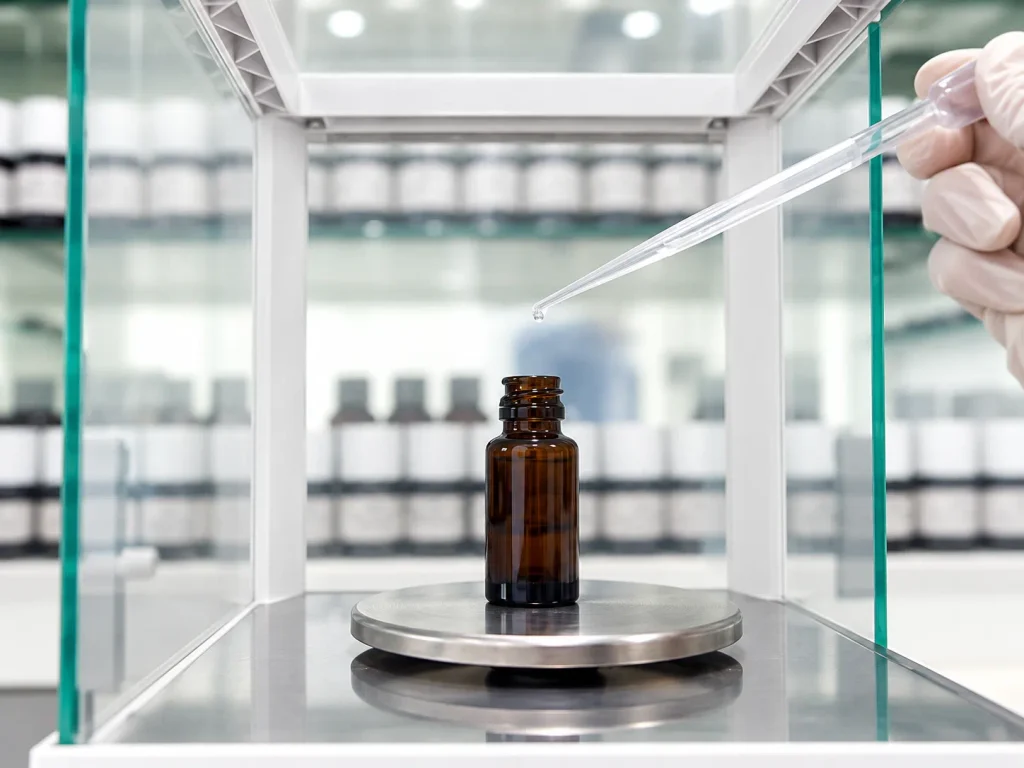
A deodorizing active cannot simply be added to an existing air freshener formula without evaluation.
The active needs to work with the fragrance, carrier and other ingredients without creating problems such as separation, discoloration, instability or unwanted changes in appearance.
Product format suitability
The selected product format also matters.
A deodorizing system that works well in a spray freshener or gel freshener may not perform in the same way in a vent clip, hanging bottle or another fragrance format. The carrier system, release method and intended use all affect how suitable the deodorizing active is for the finished product.
Fragrance performance
Odor-control ingredients can also influence how a fragrance performs.
The fragrance profile, perceived strength and release may change once a functional active is introduced, so fragrance selection should be considered together with the deodorizing system rather than treated as a completely separate step.
What Should You Tell Your Manufacturer?
If odor control is part of your brand concept, the manufacturer will need more than a general request for an “odor eliminator.”
Start by explaining the odor problem you want to address, such as pet odors, food smells or stale vehicle interiors, and where the product will be used.
You should also provide the product format you are considering, your target market, and the fragrance direction you want. If the format has not yet been decided, explain how consumers are expected to use the product so the manufacturer can evaluate suitable options.
For example, a useful starting brief might be:
Product: Car vent clip
Target market: EU
Target odor: Food and stale interior odors
Fragrance direction: Citrus
Product direction: Fragrance + odor control
The clearer the intended use and odor problem are at the beginning, the easier it is to evaluate the appropriate fragrance, deodorizing system and product format.
Choosing between a standard air freshener and a product with odor-control functionality depends on what consumers actually expect the product to do.
If fragrance is the main reason for purchase, additional deodorizing functionality may not be necessary. If the product is expected to address a clear odor problem, then the deodorizing system, product format and fragrance should be considered together from the beginning of development.
For brands exploring deodorizing air fresheners, Shamood supports fragrance integration, deodorizing system evaluation and product format development for different product concepts. Learn more about our Odor Control & Deodorizing Solutions.

